
Wegovy (semaglutide) has quickly become one of the most talked-about weight loss treatments in the UK, and anyone considering it usually wants a straightforward answer to one question: does it actually work, and is it worth it? Based on clinical trial evidence and the patterns our team sees in practice, most patients using Wegovy alongside diet and lifestyle changes report meaningful weight loss over several months, with satisfaction closely linked to how well side effects are managed and how realistic expectations are from the outset. It is not a quick fix, and like any prescription medication, results vary depending on dose, adherence, and individual health factors. At Newington Pharmacy in Edinburgh, our prescribing team supports patients starting Wegovy every week and sees a broad range of experiences, from significant early success to a steadier, more gradual response. Overall, most patients who stay consistent with their dosing schedule and follow clinical guidance find Wegovy worthwhile as part of a properly supervised weight management plan.
Book now
Key Takeaways
- Most patients report noticeable weight loss over the first three to six months, with results building gradually rather than overnight
- Nausea, fatigue, and digestive changes are the most commonly reported side effects, especially during the early weeks and dose increases
- Weekly injections and a structured dose escalation schedule make Wegovy relatively simple to fit into a normal routine
- Satisfaction tends to be higher among patients who combine treatment with dietary changes and regular activity
- Results and side effects vary from person to person, so ongoing clinical support and dose review matter
- Wegovy is not suitable for everyone, and a proper clinical assessment is needed before starting treatment
How Does Wegovy Work?
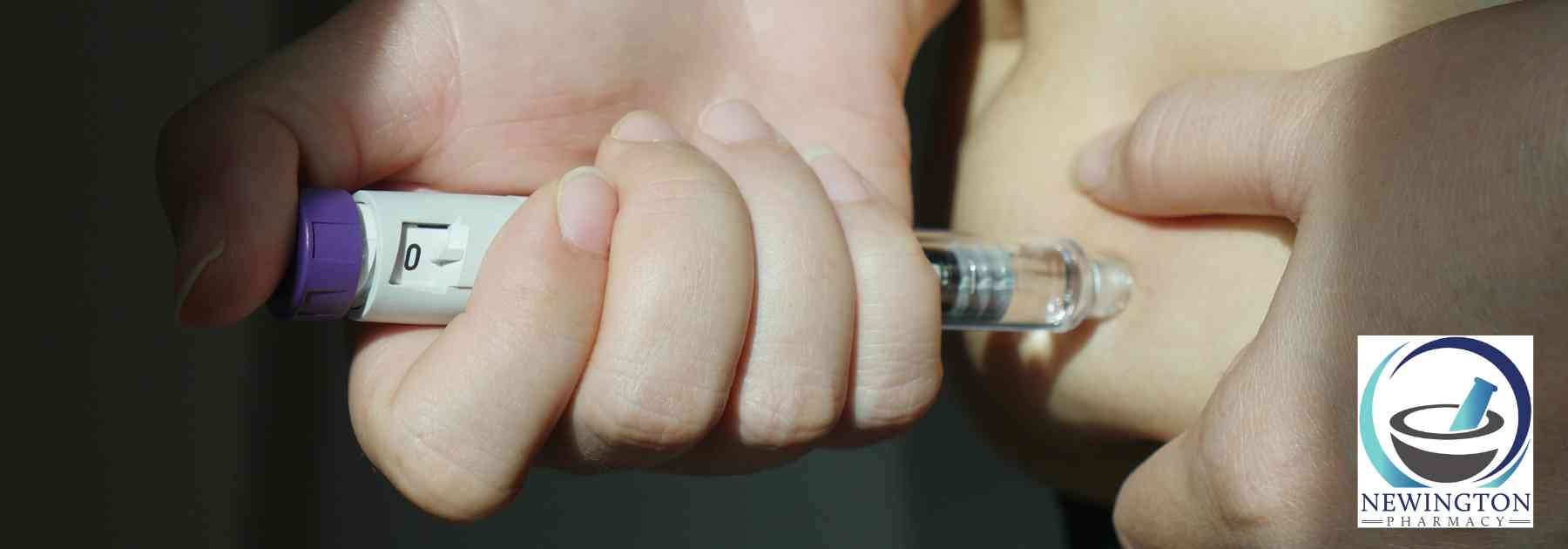
Wegovy contains semaglutide, a GLP-1 receptor agonist that mimics a hormone the body naturally produces after eating. It works by slowing digestion and acting on appetite centres in the brain, helping patients feel fuller for longer and reducing overall calorie intake. It is given as a once-weekly injection, with the dose increased gradually over several weeks to help the body adjust and reduce the likelihood of side effects. In the UK, Wegovy is licensed for weight management alongside a reduced-calorie diet and increased physical activity in adults who meet specific clinical criteria, and it is only available on prescription following a proper assessment.
What Are Patients Actually Saying About Wegovy?
Common themes reported by patients include reduced appetite, better portion control, and a noticeable drop in food noise, the constant background thinking about food that many people describe struggling with before treatment. Weight loss is often described as gradual rather than dramatic in the first few weeks, becoming more noticeable from around month two or three onwards as the dose increases. Early side effects, particularly nausea and mild digestive upset, are frequently mentioned, though most patients report these easing as their body adjusts. Some patients also describe periods where weight loss slows or plateaus, which is a normal part of treatment and often addressed through a dose review rather than stopping treatment altogether. As with any medication, individual experiences vary considerably, and no two patients respond in exactly the same way.
Call us to speak to our team about what to realistically expect at each stage of treatment before you start.
| Feature | Wegovy | Mounjaro |
|---|---|---|
| Active ingredient | Semaglutide | Tirzepatide |
| Drug class | GLP-1 receptor agonist | Dual GIP/GLP-1 receptor agonist |
| Dosing frequency | Once-weekly injection | Once-weekly injection |
| Reported average weight loss in trials | Around 15% of body weight over 68 weeks | Around 15–21% of body weight over 72 weeks |
| Common side effects | Nausea, constipation, fatigue | Nausea, diarrhoea, reduced appetite |
Trial data summarised from the STEP 1 semaglutide trial and SURMOUNT-1 tirzepatide trial, as reported in published clinical literature and NICE guidance. See
nice.org.uk
for current UK guidance. Individual results vary and trial averages should not be interpreted as a personal prediction.
Commonly Reported Benefits of Wegovy
Beyond the number on the scale, many patients describe improvements in confidence, mobility, and general energy levels as weight loss progresses. Some also report secondary benefits such as improved blood pressure readings and better sleep, though these should always be monitored by a clinician rather than assumed. For many, the appetite-reducing effect is described as the most noticeable early change, making it easier to stick to healthier eating patterns without constant willpower being the deciding factor.
Wegovy Challenges and Side Effects
Nausea is the most frequently reported side effect, particularly in the first few weeks after starting or increasing a dose. Constipation, fatigue, and occasional injection site reactions are also commonly mentioned, though these are generally described as manageable and tend to improve over time. A small number of patients find the side effects significant enough to pause or adjust their dose increase schedule, which is a normal and expected part of treatment when managed under clinical supervision.
Is Wegovy Worth It?
Whether Wegovy is worth it depends on your personal goals, health profile, and willingness to commit to the lifestyle changes that support the best results. Patients who stay consistent with dosing, manage early side effects with support, and combine treatment with dietary changes tend to see a positive response, reflected in both patient feedback and clinical evidence. It is not a guaranteed or instant solution, and cost, ongoing commitment, and proper medical supervision are all important factors to weigh up before starting. A clinical consultation is the best way to understand whether Wegovy is a suitable and worthwhile option for your individual circumstances.

Frequently Asked Questions
We’ve answered the questions we get asked most about Wegovy.
How much weight can I expect to lose on Wegovy?
Clinical trials report an average weight loss of around 15% of body weight over 68 weeks when Wegovy is combined with diet and exercise, though individual results vary considerably. Your prescriber can give you a more personalised expectation based on your health profile.
How long does it take to see results?
Many patients notice appetite changes within the first few weeks, while visible weight loss typically builds over three to six months. Results depend on dose, adherence, and lifestyle changes alongside treatment.
What are the most common side effects?
Nausea, mild digestive upset, and fatigue are the most frequently reported side effects, particularly during dose increases. These often ease as the body adjusts to the medication.
Is Wegovy the same as Mounjaro?
No, Wegovy contains semaglutide while Mounjaro contains tirzepatide, and they act on slightly different receptor pathways. Both are prescription weight management medications, but they may suit different patients.
Do I need to change my diet while taking Wegovy?
Yes, Wegovy is licensed to be used alongside a reduced-calorie diet and increased physical activity for the best results. Combining the medication with lifestyle changes is linked to better outcomes.
Can anyone get a prescription for Wegovy?
No, Wegovy is only suitable for patients who meet specific clinical criteria, assessed by a qualified prescriber. A consultation is needed to check your suitability before starting treatment.
The Verdict on Wegovy
Wegovy reviews vary from person to person, but the overall pattern is clear: patients who commit to the full treatment plan, manage early side effects with support, and pair the medication with lifestyle changes tend to see the best and most lasting results. It is not without its challenges, and it is not the right option for everyone, but for many patients it represents a genuinely worthwhile step in their weight management journey when used correctly. At Newington Pharmacy in Edinburgh, our prescribing team is here to help you understand whether Wegovy is a good fit for you, with honest guidance and ongoing clinical support from your first consultation onwards. Book a consultation today to find out if Wegovy is the right next step for you.