
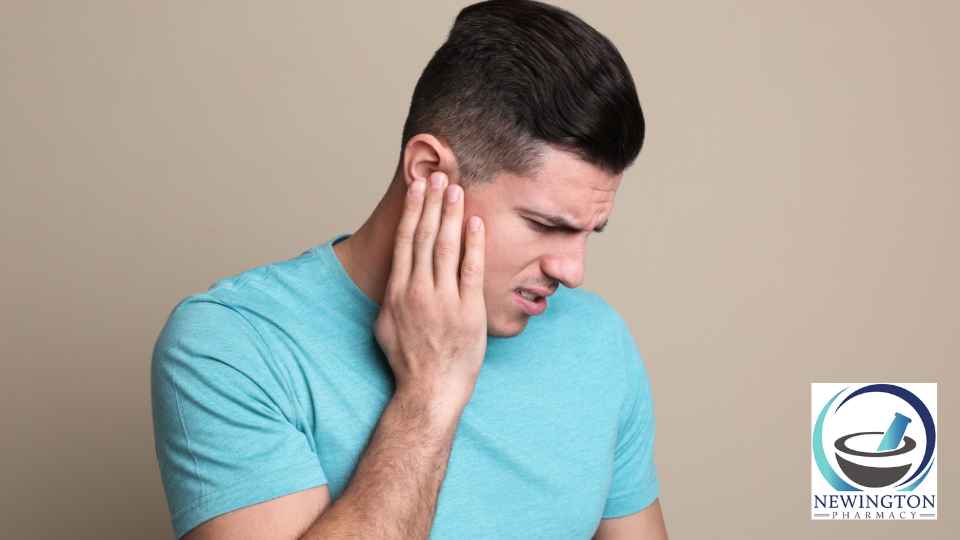
If your ears feel blocked, professional microsuction is often the right next step, particularly if the blockage is caused by earwax that has not cleared with simple home remedies. A blocked feeling in the ears is most commonly linked to a build-up of earwax. Occasionally, it can be caused by other factors such as sinus congestion, fluid behind the eardrum, or changes in air pressure. Microsuction is generally considered the safest and most effective way to clear earwax-related blockages. It allows a trained clinician to see directly into the ear canal and remove the build-up precisely, without using water. If home remedies such as softening drops have not resolved the feeling of fullness within a few days, or if you experience recurring blockages, professional earwax removal is usually a more reliable solution than continuing to wait it out. Our team at Newington Pharmacy in Edinburgh regularly sees patients whose blocked ears are quickly and comfortably resolved with a single microsuction appointment.
Ears that have felt blocked for some time are best checked properly. Book a consultation with our team so we can identify the cause and recommend the right next step.
Book now
Key Takeaways
- A blocked feeling in the ears is most often caused by earwax build-up, though other causes are possible.
- Microsuction allows a clinician to remove earwax under direct vision, without using water, making it a comfortable and effective option.
- Home remedies such as softening drops can help with mild blockages, but hardened or deep wax often needs professional removal.
- Sudden hearing loss, severe pain, or discharge are signs that something other than simple wax build-up may be involved and need prompt medical attention.
- Recurring blockages are common for some people and often benefit from regular professional check-ups rather than repeated self-treatment.
- Newington Pharmacy in Edinburgh offers microsuction appointments to help resolve blocked ears quickly and comfortably.
Why Do Ears Feel Blocked?
A blocked sensation in the ears can develop gradually or appear quite suddenly. It often feels similar to the pressure you might notice during a flight or when swimming underwater. This feeling happens when something interferes with the normal transmission of sound through the ear canal. It can also occur when pressure builds up on either side of the eardrum in a way that feels uncomfortable or muffling.
While earwax build-up is by far the most common cause of this sensation, particularly when it develops slowly over days or weeks, understanding the range of possible causes can help you recognise when professional wax removal is likely to help, and when a different type of assessment might be needed instead.
How Common is a Blocked Feeling in the Ears?
A blocked or muffled feeling in the ears is one of the most frequent reasons people visit a pharmacy or GP surgery. It affects people of all ages, though certain groups tend to experience it more often. Older adults often produce drier, harder wax that clears less efficiently, which is why blockages tend to become more frequent from around age fifty onwards. People who wear hearing aids or use in-ear headphones regularly are also more prone to this sensation. These devices sit directly in the ear canal and can interfere with the natural movement of wax.
Understanding that this is a common, generally manageable issue can help ease any worry if you are experiencing it for the first time. Persistent or unusual symptoms, though, are always worth having properly assessed.
Common Causes of a Blocked Feeling in the Ears
Several different issues can cause the ears to feel blocked, and they are not always easy to distinguish without an examination.
Earwax Build-up
Earwax naturally protects the ear canal, but it can sometimes accumulate faster than it clears, particularly with frequent use of cotton buds, earphones, or hearing aids. This is the most common cause of a gradually developing blocked sensation.
Eustachian Tube Dysfunction
The Eustachian tube helps equalise pressure between your middle ear and the outside environment. When it becomes blocked or does not open properly, often due to a cold, allergies, or sinus congestion, this can create a persistent feeling of fullness or pressure in the ear.
Fluid Behind the Eardrum
Sometimes fluid can build up behind the eardrum, particularly following an ear infection or persistent congestion. This can cause a blocked or muffled feeling that may take some time to resolve on its own.
Water Trapped in the Ear Canal
Water that becomes trapped after swimming or showering can create a temporary blocked sensation, which usually resolves once the water drains or evaporates naturally.
Changes in Air Pressure
Flying, driving through mountainous areas, or scuba diving can all cause temporary pressure changes that make the ears feel blocked until the pressure equalises.
Identifying which cause applies to you isn’t always obvious. Get in touch with our team and we can help work out the likely cause.
Book now
Blocked Ears in Children
Children can experience a blocked feeling in their ears for many of the same reasons as adults, though certain causes tend to be more common in younger age groups. Fluid behind the eardrum, sometimes following a cold or ear infection, is particularly common in children. This can cause temporary muffled hearing that may take some time to clear on its own.
Younger children may not always be able to describe the sensation clearly. Signs such as turning up the television volume, appearing inattentive, or pulling at their ears can sometimes indicate a blocked or uncomfortable ear worth having checked. If a blocked feeling in a child persists for more than a few weeks, or is accompanied by pain or fever, a GP assessment is generally recommended. Waiting for it to resolve independently is not advised in this case.
How to Tell If Earwax is the Cause
While a proper examination is the only reliable way to confirm earwax as the cause, certain patterns make it more likely. A gradual onset over several days or weeks, rather than a sudden change, tends to point toward wax build-up. This differs from an acute issue such as infection or fluid behind the eardrum. Mild itching, a feeling of fullness rather than sharp pain, and a history of similar blockages in the past are also commonly associated with earwax as the underlying cause.
If your symptoms include significant pain, discharge, or a fever, these are signs that something other than simple wax build-up may be involved, and you should seek medical advice promptly rather than assuming earwax is responsible. Sudden hearing loss in particular should be treated as urgent. Seek same-day medical assessment through NHS 24 or your GP, since early treatment can affect the outcome for some underlying causes.
When Home Remedies Are Enough
Home remedies can sometimes be enough to resolve mild, recent blockages without needing professional intervention. Softening drops, such as olive oil or sodium bicarbonate ear drops, used consistently over several days can help loosen wax enough for it to clear naturally.
If you notice improvement within a few days of using softening drops, this is generally a good sign that home treatment is working. However, if the blocked feeling persists, worsens, or keeps returning, this is usually a sign that professional removal is a more reliable path forward than continuing home treatment indefinitely.
When to Consider Professional Microsuction
Professional microsuction becomes the more sensible option in several situations. Microsuction generally offers a faster and more reliable resolution than continued self-treatment. This applies if home remedies have not resolved the blockage, if the wax feels hardened or deeply impacted, or if you have a history of recurring blockages.
Microsuction is also often preferred for people who cannot safely use water-based methods, such as those with a history of ear infections or a perforated eardrum. This is always subject to individual assessment by a clinician. As the procedure does not involve any water, it avoids some of the risks associated with older methods such as ear syringing.
Blocked Ears and Hearing Aids
If you wear a hearing aid, a blocked feeling can be particularly noticeable and disruptive. It often affects sound quality in a way that feels different from a general hearing decline. Wax trapped around a hearing aid’s microphone or sound outlet can cause whistling, muffled sound, or a reduction in overall performance. This is sometimes mistaken for a fault with the device itself.
Regular microsuction appointments, alongside routine cleaning of your hearing aid, can help maintain both your natural hearing and your device’s performance. If you notice a sudden drop in sound quality from your hearing aid, checking for wax build-up is often a sensible first step. This is worth doing before assuming the device requires repair or replacement.

What Happens During a Microsuction Appointment
A microsuction appointment typically begins with an examination of your ear canal using an otoscope. This allows your clinician to confirm that wax is genuinely the cause of your blocked feeling and to check the general health of your ear canal and eardrum. If the wax appears particularly hard, you may be advised to use softening drops for a few days beforehand to make removal more comfortable.
During the procedure itself, a fine suction device is used alongside magnification, allowing your clinician to see exactly what they are removing and work with precision. Most people describe a quiet humming noise rather than pain, and many notice an improvement in their hearing as soon as the blockage is cleared. The whole process usually takes between fifteen and thirty minutes.
There is generally no downtime after microsuction, and most people return to their normal activities immediately, including driving and working. Your clinician will let you know if any follow-up is recommended. This is particularly relevant if you are prone to frequent blockages and might benefit from a periodic check rather than waiting for symptoms to return each time.
Our microsuction appointments at Newington Pharmacy in Edinburgh are quick and comfortable, so call our team today to arrange a suitable time.
Microsuction Compared With Other Removal Methods
Microsuction is not the only method used to remove earwax, though it has become the preferred option for many clinicians in recent years. Ear irrigation uses a gentle stream of warm water to flush out softened wax, and can be effective for some blockages. It is not suitable for everyone, including people with a history of ear infections or a perforated eardrum.
Manual removal uses a small instrument such as a curette, and works well for wax sitting near the opening of the ear canal. It is generally less effective for wax that is lodged deeper. Microsuction tends to offer the most versatile option across different types of blockage, since it allows direct, controlled removal without introducing any water into the ear canal.
Other Causes That Need Different Treatment
Your clinician may suggest a different type of assessment if microsuction reveals that your ear canal is clear of wax. The same applies if your symptoms do not match the typical pattern of a wax-related blockage. Eustachian tube dysfunction, for example, often improves with treatments aimed at reducing congestion, such as nasal decongestants or allergy management, rather than ear-based procedures.
Fluid behind the eardrum, particularly in children, sometimes requires monitoring or, in persistent cases, referral to an ear, nose, and throat specialist. Not every blocked ear is caused by wax, and recognising this is an important part of getting the right treatment quickly. Otherwise, you risk repeatedly attempting wax removal for a problem with a different underlying cause.
What If My Ears Still Feel Blocked After Microsuction?
In most cases, a blocked feeling caused by earwax resolves immediately once the wax is removed. However, if your ears still feel blocked after microsuction, this suggests that wax may not have been the only, or even the main, cause of your symptoms. Further assessment is generally the sensible next step.
This might involve investigating other potential causes, such as Eustachian tube dysfunction, fluid behind the eardrum, or, in rare cases, other underlying conditions affecting hearing. Your clinician can guide you on appropriate next steps, which may include referral to a GP or specialist if symptoms persist beyond what wax removal alone can address.
How Long Does Earwax Take to Build Up Again?
Earwax naturally clears from the ear canal on an ongoing basis for most people. A new blockage typically takes anywhere from several weeks to a few months to develop, though this varies between individuals. Some people rarely experience blockages at all, while others, particularly those who wear hearing aids or produce naturally drier wax, may find they recur more frequently.
If you notice a consistent pattern to how often your ears feel blocked, mentioning this to your clinician can help establish a sensible schedule for periodic checks. This is better than waiting for symptoms to build up fully each time before seeking treatment.
Preventing Blocked Ears in the Future
While some causes of blocked ears cannot be entirely prevented, a few simple habits can reduce how often earwax-related blockages occur. Avoiding cotton buds and other objects inserted into the ear canal is one of the most important steps, since these tend to push wax deeper rather than removing it.
If you wear hearing aids or earphones regularly, taking breaks from them where possible can help reduce wax build-up over time. A periodic check with a pharmacist or audiologist, even before symptoms appear, can help those prone to recurring blockages avoid the problem building up again.
Frequently Asked Questions
We’ve answered some of the most common questions people ask us about blocked ears and microsuction.
Is a blocked feeling in the ear always caused by earwax?
No, while earwax is the most common cause, blocked ears can also result from sinus congestion, fluid behind the eardrum, or pressure changes. A proper examination is the most reliable way to identify the cause.
How quickly does microsuction relieve blocked ears?
Most people notice an improvement in their hearing immediately after the wax is removed. The procedure itself usually takes between fifteen and thirty minutes.
Is microsuction better than home remedies?
For hardened or deeply impacted wax, microsuction is generally more reliable and faster than home remedies alone. Softening drops can still be useful for mild, recent blockages before considering professional removal.
Can blocked ears be a sign of something serious?
In most cases, a gradually developing blocked feeling is linked to earwax and is not a cause for concern. However, sudden hearing loss should be treated as urgent, seek same-day medical assessment through NHS 24 or your GP. Severe pain or discharge should also be assessed by a medical professional promptly.
Why do my ears keep feeling blocked even after cleaning them?
Using cotton buds or similar objects can push wax further into the canal rather than removing it, sometimes worsening the blocked feeling. Professional removal avoids this risk and is generally more effective for a lasting resolution.
Is microsuction suitable for everyone?
Microsuction is suitable for most people, though those with certain ear conditions, such as a perforated eardrum, should be assessed individually by a clinician first. Your provider can confirm whether it is appropriate for your specific situation.
Getting Relief From Blocked Ears
When your ears feel blocked, earwax build-up is the most likely explanation. Professional microsuction generally offers the fastest, safest way to resolve it, particularly when home remedies have not been enough. Understanding the range of possible causes can also help you recognise when a different type of assessment may be needed, rather than assuming every blocked feeling has the same solution. At Newington Pharmacy in Edinburgh, our team is here to help identify the cause of your blocked ears and provide comfortable, effective treatment where appropriate.
Getting your ears checked properly is easier than you think. Book now with Newington Pharmacy in Edinburgh for a thorough assessment and fast relief.
Book now