

A blocked ear caused by a build-up of wax is one of the most common reasons people visit their local pharmacy, and the good news is that it is usually easy to fix. The fastest and safest way to clear a blocked ear is to soften the wax with ear drops for a few days and, if that does not fully resolve it, have it professionally removed using microsuction. Ear wax blockages typically develop gradually, so by the time you notice muffled hearing, itching, or a feeling of pressure, the wax has often hardened and impacted against the eardrum. Trying to dig it out with cotton buds or other objects usually makes things worse and can push the wax further in. At Newington Pharmacy in Edinburgh, our trained clinicians see this issue every week and can usually resolve it within a single same-day appointment.
Book now
Key Takeaways
- – Ear wax blockages cause muffled hearing, ringing, itching, and a feeling of pressure or fullness.
- – Cotton buds and other household objects push wax deeper and can damage the ear canal, they should never be used to clear a blockage.
- – Softening drops (olive oil or sodium bicarbonate) can help with mild blockages, but hardened or deep wax usually needs professional removal.
- – Microsuction is the fastest, safest, and most comfortable method used by audiologists and pharmacists to remove stubborn ear wax.
- – Untreated wax blockages can affect hearing aid performance and, in some cases, lead to ear infections.
- – Newington Pharmacy in Edinburgh offers professional microsuction appointments with no lengthy GP waiting list.
What Causes a Blocked Ear?
Ear wax, medically known as cerumen, is produced naturally by glands in the ear canal to trap dust, protect the skin, and prevent infection. In most people, wax moves slowly toward the outer ear and falls out on its own during everyday activities like chewing and talking. A blockage happens when wax builds up faster than it can clear, or when something interferes with its natural movement out of the canal. This natural self-cleaning process relies on the skin of the ear canal migrating gradually outward, carrying old wax, dead skin cells, and trapped debris with it. When that process is disrupted, whether by an anatomical quirk, a habit like frequent cotton bud use, or simply the natural slowing of skin cell turnover with age, wax accumulates faster than it can be cleared and eventually hardens into a blockage.
Common causes of ear wax blockages include:
- – Using cotton buds or ear plugs regularly, which push wax deeper into the canal instead of removing it.
- – Wearing hearing aids or earphones for long periods, which can trap wax and stop it moving naturally.
- – Naturally narrow or hairy ear canals, which make it harder for wax to travel out.
- – Overproduction of wax, which is more common in older adults and people with certain skin conditions.
- – Dry, flaky skin conditions such as eczema affecting the ear canal.
While anyone can develop a blocked ear, some groups are more prone to it than others. Older adults tend to produce drier, harder wax that clears less efficiently, which is why wax build-up becomes increasingly common from around age 50 onwards. People who wear hearing aids or use in-ear headphones daily are also at higher risk, since these devices sit directly in the ear canal and can both trap existing wax and stimulate glands to produce more. People with learning disabilities, Down’s syndrome, or certain craniofacial conditions may have narrower or differently shaped ear canals that make natural wax clearance less effective, and in these groups blockages tend to recur more often and may need more frequent professional check-ups.
Signs Your Ear is Blocked with Wax
Ear wax blockages develop gradually, so many people are not sure whether their symptoms are due to wax or something else. The most common signs include:
- – Muffled or reduced hearing in one or both ears
- – A feeling of fullness or pressure in the ear
- – Mild ringing or buzzing (tinnitus)
- – Itching or discomfort in the ear canal
- – Occasional dizziness or a sensation of imbalance
- – Ear pain, particularly if the wax has become tightly packed
If you are experiencing sudden hearing loss, severe pain, discharge, or a fever, this may indicate an infection rather than simple wax build-up, and you should speak to a GP promptly rather than attempting to treat it yourself.
Many people underestimate how much a blocked ear can affect daily life until it happens to them. Conversations become harder to follow, especially in noisy environments, phone calls feel muffled, and some people find themselves turning the television up or asking others to repeat themselves more often. If only one ear is affected, this imbalance in hearing can also make it harder to judge where sounds are coming from, which some people describe as a mild disorientation rather than a specific symptom they can pin down.
Home Remedies: What Actually Works?
For mild blockages, softening the wax at home can sometimes be enough to let it clear naturally. It is important to be gentle and patient, as forcing anything into the ear canal can cause damage.
Softening Drops
Olive oil, almond oil, or over-the-counter sodium bicarbonate ear drops can help soften wax so it moves out more easily. Apply two to three drops into the affected ear, tilt your head to the side for a few minutes, and repeat daily for three to five days (do not use if you have a perforated eardrum, an active ear infection, or ear discharge; seek clinical advice instead).
What to Avoid
- – Cotton buds, hairpins, or any small object inserted into the ear
- – Ear candles, which have no proven benefit and carry a burn risk
- – Aggressive syringing without professional guidance
If home remedies do not clear the blockage within a week, or if your symptoms are worsening, it is time to seek professional help rather than continuing to self-treat.
Comparing Ear Wax Removal Methods
The table below compares the main ear wax removal methods, so you can see how they differ in suitability, speed, and comfort at a glance.
Ear Wax and Hearing Aids
If you wear a hearing aid, keeping your ears clear of wax is particularly important, and not just for comfort. A hearing aid sits directly in or close to the ear canal, which can trap wax against the device and speed up build-up. Wax that accumulates around the microphone or receiver of a hearing aid can muffle sound, cause whistling or feedback, and in some cases stop the device working altogether until it is cleaned or the wax is removed.
Hearing aid users often assume a sudden dip in sound quality means their device is faulty, when the real culprit is often just wax blocking the ear canal or clogging the aid’s sound outlet. Regular microsuction appointments, alongside routine hearing aid cleaning, can help keep both your hearing and your device performing as they should.
Why Microsuction is the Safest Way to Clear Blocked Ears
Microsuction is widely regarded by audiologists and ENT specialists as the gold standard for ear wax removal, and it is the method we use most often at Newington Pharmacy in Edinburgh. During the procedure, a clinician uses a fine, low-pressure suction device alongside a microscope or magnifying loupe, allowing them to see directly into the ear canal and remove wax precisely without introducing any water or fluid.
Microsuction offers several advantages over older methods such as syringing:
- – No water is used, which lowers the risk of infection and may make it a suitable option for people with a history of ear infections or perforated eardrums, subject to clinical assessment.
- – Direct visibility means the clinician can see exactly what they are removing, reducing the risk of injury to the eardrum.
- – Fast results, with most appointments lasting between 15 and 30 minutes and hearing improving almost immediately.
- – Minimal discomfort, as there is no pressure or temperature change in the ear canal.
- – Suitable for most people, including those with hearing aids or narrow ear canals; previous ear surgery should be assessed by a clinician first.
Because it is precise and controlled, microsuction is particularly effective for wax that has become hardened, impacted, or lodged deep in the canal, situations where home remedies rarely succeed on their own.
The clinicians who perform microsuction at Newington Pharmacy have undergone specific training in ear examination and wax removal, and they use medical-grade suction units designed specifically for use in the ear canal, rather than general-purpose suction equipment. Combined with magnification, this level of precision means the procedure can be tailored to each person’s ear shape and the position of the wax, rather than following a one-size-fits-all approach.
What to Expect During a Microsuction Appointment
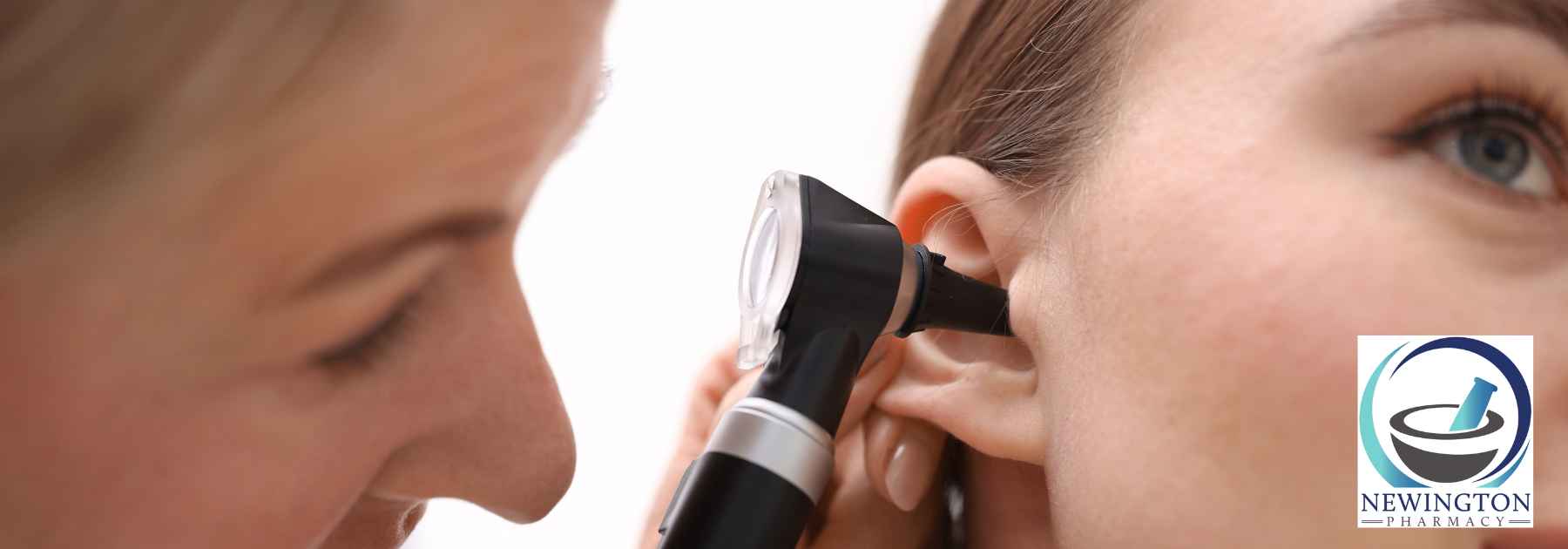
If you have never had microsuction before, it is helpful to know what happens during a typical appointment. Your clinician will first examine your ear using an otoscope to confirm that wax is the cause of your symptoms and to check the general health of your ear canal and eardrum. If a significant amount of hardened wax is present, they may recommend using softening drops for a few days beforehand to make removal easier and more comfortable.
During the procedure itself, you will sit comfortably while the clinician uses the microsuction device to gently remove the wax under direct vision. Most people describe the sensation as a quiet humming noise rather than any pain, though some may notice mild pressure or brief discomfort, and many notice an improvement in their hearing straight away. Afterwards, your clinician will check your ear canal to confirm it is fully clear.
There is generally no downtime after microsuction, and most people return to their normal activities immediately, including driving, working, and swimming. Your clinician may offer brief aftercare advice, such as keeping the ears dry for a short period if there was any minor irritation to the skin of the canal, and will let you know if a follow-up appointment is recommended, for example if you are prone to frequent build-up.
Our microsuction appointments at Newington Pharmacy in Edinburgh are quick, comfortable, and available without a long GP waiting list, so contact our team today to arrange a same-day or next-day slot where possible.
Preventing Ear Wax Build-Up in the Future
While some wax build-up is simply down to individual anatomy and cannot be entirely prevented, a few simple habits can reduce how often it becomes a problem:
- – Avoid inserting cotton buds or any object into the ear canal
- – Clean only the outer ear with a damp cloth
- – If you use hearing aids or earphones regularly, remove them for periods each day to allow natural wax movement
- – If you are prone to recurrent blockages, consider a check-up every six to twelve months rather than waiting until symptoms return
- – Use softening drops occasionally if you know you are prone to build-up, particularly before a planned appointment
- – Keep ears dry after swimming or bathing, as trapped moisture can encourage wax to swell and become more difficult to clear
- – If you wear a hearing aid, clean the device regularly according to the manufacturer’s instructions to reduce wax transfer back into the ear canal
When to See a GP for Ear Wax Build-Up
Most ear wax blockages can be safely managed by a trained pharmacist or audiologist, but a small number of cases need a GP’s input first. You should see a GP rather than booking wax removal if you have sudden or severe hearing loss, ear discharge that looks unusual in colour or smell, ongoing pain, a high temperature, or if you suspect a foreign object is lodged in the ear canal rather than wax. Your pharmacist can also advise you if, during an examination, they notice anything that needs a GP or specialist referral rather than straightforward wax removal.
Frequently Asked Questions
Here are answers to some of the most common questions we hear about blocked ears and ear wax removal.
How long does it take to clear a blocked ear?
Mild blockages treated with softening drops usually clear within three to five days. Hardened or deep blockages removed by microsuction are typically resolved within a single same-day appointment.
Is microsuction painful?
Microsuction is generally described as painless or mildly uncomfortable at most, since no water or pressure is used. Most people simply hear a quiet humming sound during the procedure.
Can I use cotton buds to clear the wax myself?
No, cotton buds typically push wax further into the ear canal rather than removing it, and can also damage the eardrum. It is safer to use softening drops or seek professional removal.
Is ear wax removal available on the NHS?
NHS provision for ear wax removal varies by area and often involves long waiting times, which is why many people choose private microsuction for faster access. Newington Pharmacy in Edinburgh offers appointments without the typical NHS waiting list.
How do I know if it is wax or an ear infection?
Wax build-up usually causes gradual muffled hearing and a feeling of fullness without pain, while infections often involve sudden pain, discharge, or fever. If you notice these additional symptoms, you should see a GP rather than attempting wax removal.
How often should ear wax be professionally removed?
This varies from person to person, but many people who are prone to build-up benefit from a check every six to twelve months. Your clinician can advise on a suitable schedule based on your individual ear health.
The Fastest Route to Clearer Hearing
A blocked ear caused by wax build-up is uncomfortable and can affect your hearing, but it is one of the most straightforward issues to resolve with the right care. Mild blockages often respond well to softening drops used consistently over a few days, while hardened or deep wax is best cleared quickly and safely through professional microsuction. At Newington Pharmacy in Edinburgh, our experienced team offers fast, comfortable microsuction appointments so you are not left waiting weeks for relief.
If your ear feels blocked, do not wait for it to worsen. Book now with Newington Pharmacy in Edinburgh and let our team clear it quickly and safely.
Book now