An HIV blood test works by detecting markers of HIV infection in a blood sample — either the antibodies that the immune system produces in response to the virus, the p24 antigen that the virus itself releases in the early stages of infection, or in some cases the genetic material of the virus itself. The most commonly used HIV tests in the UK are fourth-generation combination tests, which simultaneously detect both HIV antibodies and the p24 antigen from a single blood sample, making them significantly more sensitive than older antibody-only tests and capable of providing a conclusive negative result from 45 days after potential exposure for the majority of people in standard risk scenarios, with 90 days required following very high-risk exposures or where PEP has been used. A positive result on a fourth-generation test requires confirmatory testing before a diagnosis of HIV infection is made, as false positive results — while uncommon — can occur. The result of an HIV blood test is only as reliable as the timing of the test relative to exposure, which is why understanding the window period is essential before testing. At Newington Pharmacy in Edinburgh, we offer private, confidential HIV blood testing with fast results, expert clinical guidance, and a supportive, non-judgmental environment for patients at every stage of their sexual health journey.
Book now
Key Takeaways
- Fourth-generation HIV combination tests detect both HIV antibodies and the p24 antigen, giving a conclusive negative result from 45 days after exposure in standard risk scenarios
- The window period is the time between HIV exposure and when a test can reliably detect infection — testing too early can produce a false negative
- A 90-day confirmatory test is recommended following very high-risk exposures or where PEP has been used
- Confirmatory laboratory testing is always required following a positive HIV test result before a diagnosis of HIV infection can be formally and definitively established
- People diagnosed with HIV and started on antiretroviral therapy (ART) promptly now have a near-normal life expectancy
- Anyone who believes they may have been exposed to HIV within the last 72 hours should seek PEP urgently rather than waiting to test
What Does an HIV Blood Test Actually Detect?
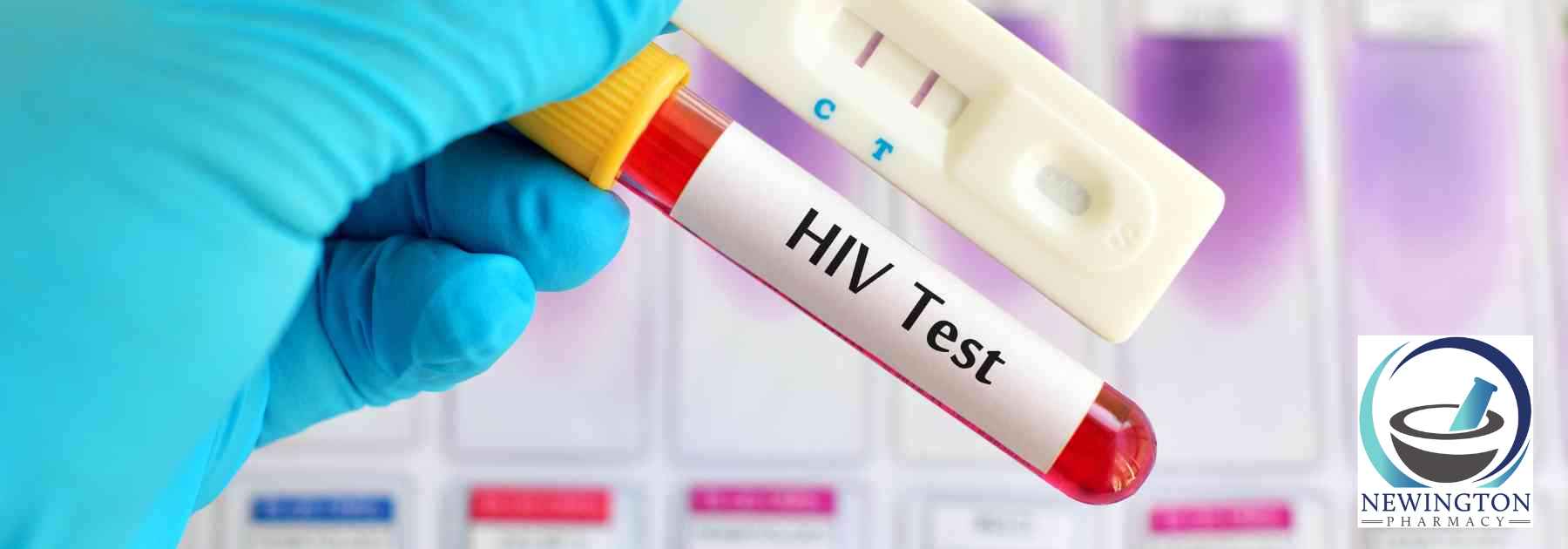
Not all HIV tests detect the same things, and understanding the differences between them is essential for selecting the right test and interpreting whatever results you receive. HIV itself cannot be seen or measured directly in most standard clinical settings, but its presence leaves measurable traces in the blood that different types of test are designed to identify. The three main categories of detectable marker are as follows. HIV antibodies are proteins produced by the immune system in response to HIV infection — they appear in the bloodstream several weeks after infection and persist indefinitely. p24 antigen is a protein from the outer shell of the HIV virus itself, released into the bloodstream during the early stages of infection before antibodies have fully developed — its detection significantly shortens the window period compared to antibody-only tests. HIV RNA (viral load) is the genetic material of the virus itself and can be detected using nucleic acid amplification tests (NAATs) from as early as ten days after infection, making these the most sensitive tests available — though they are typically reserved for specialist settings, early symptomatic presentations, or specific clinical indications rather than routine screening.
Types of HIV Test Available in the UK
The table below summarises the main types of HIV test available in the UK, what each one detects, the typical window period for a reliable result, and where each can be accessed.
| Test Type | What It Detects | Window Period | Access |
|---|---|---|---|
| 4th Generation Combination Test | HIV antibodies and p24 antigen | 45 days (standard risk); 90 days (high-risk or post-PEP) | NHS and Private |
| 3rd Generation Antibody Test | HIV antibodies only | 90 days | Some NHS and Private Providers |
| Rapid Finger-Prick Test | HIV antibodies only (point-of-care) | 90 days; result in under 30 minutes | Sexual Health Clinics and Private Providers |
| HIV RNA / Viral Load Test (NAAT) | HIV genetic material directly | From 10 days; preferred in early symptomatic window | Specialist Services and Some Private Providers |
| Home Self-Testing Kit | HIV antibodies only | 90 days | Online and Pharmacy OTC |
| Home Self-Sampling Kit | HIV antibodies and p24 antigen (lab processed) | 45 days (standard risk); 90 days (high-risk or post-PEP) | Online and NHS Postal Services |
The HIV Window Period
The window period is one of the most clinically important concepts in HIV testing and one of the most commonly misunderstood. It refers to the time between potential HIV exposure and when a test can reliably detect infection — during this period, a person may have HIV but their test result will be negative because the detectable markers have not yet reached sufficient levels in their blood. For a fourth-generation combination test, the window period is 45 days for the majority of people following a standard risk exposure, meaning a negative result at 45 days or beyond provides conclusive reassurance in most circumstances. However, for individuals who have had a very high-risk exposure — such as receptive anal intercourse with a known HIV-positive partner who is not virally suppressed — or who have used PEP, a confirmatory test at 90 days is recommended to provide complete reassurance. It is critically important to understand that a negative result obtained before the window period has passed does not confirm the absence of infection and should not be acted upon as a definitive result.
What Happens After a Positive HIV Test?
A reactive or positive result on an initial HIV test — whether fourth-generation combination, rapid, or self-test — is not a confirmed diagnosis of HIV infection. All positive results require confirmatory laboratory testing before a diagnosis can be made, as false positive results do occur, particularly with rapid and self-test formats. If a positive result is confirmed through laboratory testing, the next step is referral to an HIV specialist clinic where a full assessment including viral load and CD4 count will be performed and antiretroviral therapy (ART) discussed. The landscape of HIV treatment has been transformed over the past two decades — modern ART regimens can reduce viral load to undetectable levels within weeks of starting treatment, and once viral load has been confirmed undetectable on two consecutive tests taken at least six months apart, sexual transmission to partners is effectively prevented — a concept known as Undetectable equals Untransmittable, or U=U. A confirmed HIV diagnosis in 2026 is not a life-ending event — it is the beginning of a well-supported, clinically manageable journey that millions of people are living successfully around the world.
Who Should Have an HIV Blood Test?
HIV testing guidelines in the UK recommend that all sexually active adults should consider testing as part of their routine sexual health care. Specifically, anyone who has had unprotected sex with a new partner, had a condom failure, shared injecting equipment, or received a notification from a previous partner about a positive HIV result should test as soon as the relevant window period allows. Men who have sex with men (MSM) are recommended to test at least every three months given elevated HIV transmission rates in this population, and all individuals accessing PrEP must test quarterly as a clinical requirement. In areas of high HIV prevalence including major UK cities, routine opt-out HIV testing is increasingly offered in emergency departments and general practice settings. Pregnant individuals are offered HIV testing as part of routine antenatal screening. Anyone experiencing symptoms consistent with acute HIV seroconversion illness — including fever, rash, swollen lymph nodes, sore throat, and fatigue, which typically appear two to four weeks after exposure — should seek urgent clinical assessment, as an RNA or NAAT test may be more appropriate than a standard fourth-generation test during this early symptomatic window when antibody and p24 levels may not yet be detectable.
If any of the situations described above apply to you, call us to book your private HIV blood test at Newington Pharmacy in Edinburgh today and get fast, confidential results with expert clinical support included.

Frequently Asked Questions
Here are clear, non-judgmental answers to the HIV blood testing questions our team at Newington Pharmacy in Edinburgh hears most often from patients.
How soon after potential exposure can I get an HIV test?
A fourth-generation HIV combination test gives a conclusive negative result from 45 days after potential exposure for the majority of people in standard risk scenarios, though a confirmatory test at 90 days is recommended following very high-risk exposures or where PEP has been used. Testing before 45 days is possible but results during the window period cannot be considered conclusive and a repeat test after the full window period will always be required to confirm status.
Is private HIV testing confidential?
Yes — private HIV testing at Newington Pharmacy in Edinburgh is completely confidential, with results shared only with you and not communicated to your GP or placed on your NHS medical record unless you specifically request this. Our clinical team treats all sexual health consultations with complete discretion and a non-judgmental approach.
What is the difference between a fourth-generation and a third-generation HIV test?
A third-generation HIV test detects only HIV antibodies and has a window period of approximately 90 days, while a fourth-generation combination test also detects the p24 antigen, shortening the window period to 45 days for most standard risk exposures and making it the preferred test in UK clinical practice. The fourth-generation test is more sensitive in the early weeks after infection, which is why it is the standard of care in NHS and reputable private sexual health services across the UK.
Can HIV be treated if diagnosed early?
Yes — people diagnosed with HIV and started on modern antiretroviral therapy (ART) promptly now have a near-normal life expectancy, and treatment typically reduces viral load to undetectable levels within a few weeks of starting, with sexual transmission to partners effectively prevented once undetectable status has been confirmed on two consecutive tests at least six months apart. Early diagnosis and treatment is the single most important factor in both individual health outcomes and preventing onward transmission, which is why regular testing is so clinically important.
What does a reactive HIV test result mean?
A reactive result on an initial HIV test — whether from a laboratory blood test, rapid test, or self-test — indicates a possible positive result but is not a confirmed diagnosis, as false positives can occur and all reactive results require confirmatory laboratory testing before HIV infection can be definitively diagnosed. If you receive a reactive result, contact a sexual health clinician or your GP promptly to arrange confirmatory testing rather than drawing conclusions from the initial result alone.
Can I get an HIV blood test at Newington Pharmacy without a GP referral?
Yes — at Newington Pharmacy in Edinburgh, our private HIV blood testing service is available without a GP referral, with results typically available within a few working days and full clinical support and guidance provided alongside every result. We also offer comprehensive STI panels that include HIV testing alongside other sexually transmitted infections, making it straightforward to get a complete sexual health screen in a single appointment.
The Importance of HIV Testing
When you understand how an HIV blood test works, when the right time to take one is, and how to make sense of the result you receive, you are far better equipped to protect both your own health and that of your partners. The fourth-generation combination test is the gold standard for reliable, early detection, and knowing your status is both an act of personal responsibility and one of the most powerful tools available for preventing onward transmission. A negative result provides genuine reassurance; a positive result opens the door to the highly effective treatment that makes HIV a manageable long-term condition.
Our private HIV blood testing service at Newington Pharmacy in Edinburgh has been designed with patient comfort, accessibility, and complete confidentiality at its heart, because we believe that nothing should stand between anyone and the peace of mind that knowing their status brings. Alongside HIV testing, we offer a comprehensive range of private sexual health and blood testing services including full STI panels, thyroid tests, lipid profiles, ferritin tests, and many more — all without a GP referral and with expert clinical support included as standard.
Your sexual health matters and knowing your HIV status is one of the most powerful ways to protect it. Book your private test at Newington Pharmacy in Edinburgh today.