

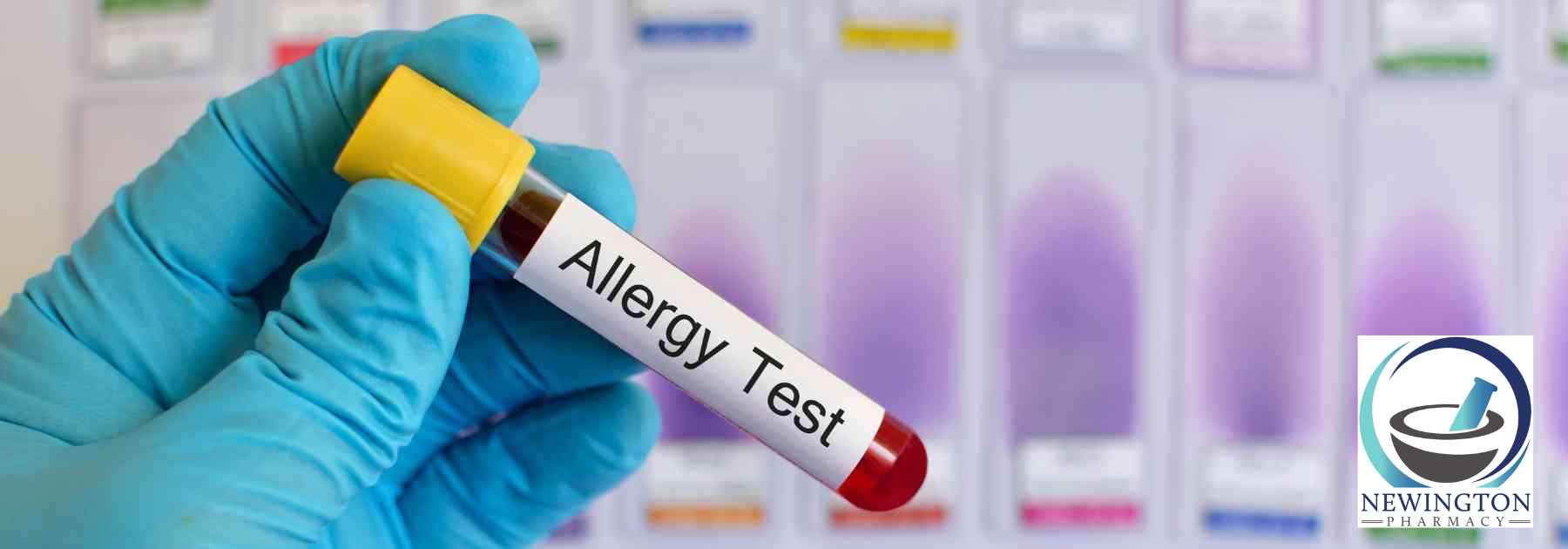
An allergy reaction blood test can tell you a great deal about how your immune system is responding to specific substances — measuring the levels of allergen-specific IgE antibodies in your blood to identify which allergens your immune system has become sensitised to and the degree of that sensitisation. Unlike skin prick tests, which require direct exposure to allergens in a clinical setting, allergy blood tests are performed from a single venous blood sample and are safe for patients of all ages including those with severe eczema, those taking antihistamines, and anyone for whom skin testing is not appropriate. The results provide an objective, measurable picture of allergic sensitisation across a wide range of potential triggers — from common environmental allergens like grass pollen, house dust mite, and pet dander to food allergens such as peanuts, tree nuts, milk, eggs, and wheat. It is important to understand, however, that a positive IgE result confirms sensitisation rather than a clinical allergy — not everyone with elevated allergen-specific IgE will experience symptoms on exposure, and results must always be interpreted in the context of your clinical history by a qualified healthcare professional. Our private allergy reaction blood testing service at Newington Pharmacy in Edinburgh is designed to get you accurate answers quickly, with expert clinical guidance included as standard so you always understand your results and have a clear path forward for managing your allergies.
Book now
Key Takeaways
- Allergy blood tests measure allergen-specific IgE antibodies to identify immune sensitisation to specific triggers
- It is important to understand that a positive allergy blood test result indicates sensitisation rather than confirmed allergy. The full clinical picture, including your symptoms and personal history, is essential for accurate interpretation.
- Blood testing is suitable for patients who cannot have skin prick tests including those with severe eczema or who are taking antihistamines
- Comprehensive panels can test for dozens of allergens simultaneously from a single blood sample
- Total IgE and specific IgE are different measurements — both may be included in a comprehensive allergy blood test panel
- Private allergy blood testing offers faster access to results without a specialist referral or lengthy NHS waiting times
How Does an Allergy Reaction Blood Test Work?
The foundation of allergy blood testing is the measurement of immunoglobulin E (IgE) — a class of antibody produced by the immune system in response to substances it has incorrectly identified as threats. When a person with an allergy is exposed to their trigger allergen, their immune system releases IgE antibodies that bind to the allergen and trigger mast cells to release histamine and other inflammatory mediators — producing the symptoms we recognise as an allergic reaction. An allergy blood test works by exposing a blood sample to specific allergen extracts in a laboratory setting and measuring the quantity of allergen-specific IgE present. The results are expressed in standardised units (kUA/L) and classified into severity grades — from Class 0 (no detectable sensitisation) to Class 6 (extremely elevated) — providing a quantitative measure of the degree of immune sensitisation to each tested allergen. This graded result is one of the key advantages of blood testing over qualitative yes/no methods, as it gives both the patient and their clinician a clearer picture of the relative significance of different sensitivities.
Total IgE vs Specific IgE
A comprehensive allergy blood panel typically includes two distinct types of IgE measurement that serve different diagnostic purposes and should not be confused. Total IgE measures the overall level of IgE antibodies in the blood, regardless of which allergens they are directed against. An elevated total IgE can suggest an underlying atopic tendency — a predisposition to allergic conditions — but is non-specific and can also be elevated in parasitic infections, certain inflammatory conditions, and some immunodeficiency disorders. Specific IgE (also known as RAST or ImmunoCAP testing) measures IgE antibodies directed against individual named allergens, providing the targeted diagnostic information that is most clinically useful for identifying and managing specific allergic triggers. It is the specific IgE results that tell you whether your immune system has been sensitised to grass pollen, cat dander, peanuts, or any other particular allergen — and it is these results that form the basis of allergy management decisions.
Common Allergy Panels: What Gets Tested?
To help you understand which type of allergy blood testing best suits your symptoms and circumstances, the table below provides a clear summary of the most commonly available panels, what each one covers, and when each is most clinically appropriate.
| Panel Type | Allergens Covered | Best For | Availability |
|---|---|---|---|
| Inhalant / Environmental Panel | Grass pollen, tree pollen, house dust mite, mould, pet dander | Hay fever, asthma, rhinitis, year-round nasal symptoms | Private / NHS |
| Food Allergy Panel | Peanut, tree nuts, milk, egg, wheat, soya, fish, shellfish | Suspected food allergy, reaction after eating | Private / NHS |
| Comprehensive Multi-Allergen Panel | Combined environmental and food allergens (20 to 100+ allergens) | Broad screening when trigger is unknown | Mainly Private |
| Component Resolved Diagnostics (CRD) | Individual allergen proteins within a food or inhalant | Distinguishing cross-reactive from true allergy; assessing anaphylaxis risk | Specialist / Private |
| Total IgE Test | Overall IgE level (non-specific) | Screening for atopic tendency; monitoring allergic disease | Private / NHS |
| Venom Allergy Panel | Bee venom, wasp venom | Patients with systemic reactions to insect stings | Specialist / Private |
What Allergy Blood Tests Cannot Tell You
Understanding the limitations of allergy reaction blood testing is just as important as understanding what it can reveal — and being clear on this point helps avoid both over-interpretation and unnecessary anxiety about results. A positive specific IgE result does not confirm that you will experience a clinical allergic reaction on exposure to that allergen — it confirms only that your immune system has produced IgE antibodies against it, which is a necessary but not sufficient condition for a clinical allergy. Many people with positive IgE results are entirely asymptomatic on exposure to the relevant allergen, particularly at lower sensitisation grades. Equally, a negative specific IgE result does not completely rule out allergy — IgE-mediated allergy is the most common type but not the only type, and non-IgE-mediated food reactions, eosinophilic conditions, and certain drug hypersensitivities may not be detected by standard IgE blood testing. The results of an allergy blood test are most valuable when interpreted by a clinician who can weigh them against the patient’s clinical history, symptom patterns, and where necessary, oral food challenges or further specialist assessment.
Managing Your Allergies After Testing
A positive allergy blood test result is the beginning of a management journey rather than an end point. The appropriate response to a positive result depends entirely on the nature and severity of the sensitisation, the allergen involved, and the clinical context — and this is why professional guidance following testing is essential. For environmental allergens such as grass pollen or house dust mite, management options range from allergen avoidance measures and antihistamine treatment to allergen immunotherapy (desensitisation), which can significantly reduce long-term sensitivity. For food allergens, the severity of sensitisation and the clinical history of reactions will determine whether strict avoidance, the carrying of an adrenaline auto-injector (AAI), or a supervised oral food challenge is most appropriate. For any patient with a history of severe allergic reactions or suspected anaphylaxis, a referral to a specialist allergy clinic is essential regardless of the blood test result.
If you have received a positive allergy blood test result and are not sure what to do next, our experienced clinical team at Newington Pharmacy in Edinburgh is here to help you understand your options and take the right next steps. Get in touch today.

Frequently Asked Questions
Whether you are considering allergy blood testing for the first time or want to understand more about what your results could mean, here are honest answers to the questions our Edinburgh clinical team hears most often.
What is the difference between an allergy and a food intolerance?
A true food allergy involves an IgE-mediated immune response that can occur within minutes of exposure and ranges in severity from mild hives to life-threatening anaphylaxis — this is what allergy blood tests are designed to detect. A food intolerance, by contrast, does not involve the immune system in the same way and typically produces delayed, dose-dependent digestive symptoms — food intolerance is not detected by standard IgE allergy blood tests and requires different investigation approaches.
How accurate are allergy blood tests?
Allergen-specific IgE blood tests using modern ImmunoCAP technology have good sensitivity and specificity for most common allergens, making them a reliable tool for identifying sensitisation when interpreted alongside clinical history. However, no allergy test is 100% accurate — false positives and false negatives do occur, which is why results should always be reviewed by a qualified clinician rather than acted upon in isolation.
Do I need to fast before an allergy blood test?
Fasting is generally not required before an allergy reaction blood test, as food intake does not significantly affect IgE antibody levels in the way it affects some other blood markers such as cholesterol or blood glucose. However, if your allergy panel is being taken alongside other tests that do require fasting, your clinician or testing provider will advise you accordingly before your appointment.
Can children have allergy blood tests?
Yes — allergy blood tests are suitable for patients of all ages including infants and young children, and are often preferred over skin prick testing in very young children due to the distress that skin testing can cause. Blood testing is particularly well suited to children with suspected food allergy, as it can be carried out from a standard blood draw and incorporated conveniently alongside other routine paediatric blood tests without requiring a separate procedure.
What does a high IgE result mean?
A high specific IgE result for a particular allergen indicates that your immune system has produced significant levels of IgE antibodies against that substance, confirming sensitisation and suggesting a higher likelihood of clinical symptoms on exposure — though the relationship between IgE level and reaction severity is not linear and varies between individuals and allergens. A high total IgE without elevated specific IgE may indicate an atopic tendency, parasitic infection, or other underlying condition, and requires clinical interpretation to determine the most appropriate next steps.
Can I get allergy blood testing at Newington Pharmacy without a GP referral?
Yes — at Newington Pharmacy in Edinburgh, our private allergy blood testing service is available without a GP referral, with a range of panels available to suit different symptoms and clinical needs. Results are typically available within a few working days and are provided alongside expert clinical guidance on what they mean and what steps to consider next, including referral to a specialist allergy service where this is recommended.
Private Allergy Blood Testing in Edinburgh
If you have been living with reactions you cannot explain, symptoms that keep returning, or a suspected allergy that has never been properly investigated, an allergy reaction blood test is one of the most informative and useful first steps you can take. By measuring specific IgE antibodies across a broad range of potential triggers from a single blood sample, it provides an objective, quantitative foundation for allergy diagnosis and management that guesswork and elimination diets simply cannot replicate. The key is ensuring that results are interpreted in the right clinical context — and that the right panel is chosen for your specific symptoms and history from the outset.
At Newington Pharmacy in Edinburgh, our experienced clinical team is here to guide you through the process from start to finish — helping you choose the right allergy blood test, interpreting your results clearly, and advising on the most appropriate management steps for your individual circumstances. Alongside our allergy testing service, we offer a comprehensive range of private blood tests including STI and HIV testing, thyroid function tests, lipid profile tests, bone profile tests, and many more. Your allergies deserve a proper diagnosis and our experienced team at Newington Pharmacy in Edinburgh is ready to help you get one. Book your private allergy blood test today and start managing your health with clarity and confidence.