

Quick Answer: How Does Ear Wax Removal Work, and What Is Microsuction?
Ear wax removal clears a build-up of wax that is blocking the ear canal and causing hearing loss, discomfort, or tinnitus. Microsuction is a widely used method at Newington Pharmacy in Edinburgh. A trained clinician uses a gentle suction device and looks directly into the ear canal to remove the wax precisely, without using water. You usually soften the wax with ear drops for about five days beforehand. The appointment takes only a few minutes, and most people return to normal activities straight away. Sudden hearing loss needs same-day medical assessment instead.
Ear wax build-up is one of the most common reasons people visit a pharmacy in Edinburgh. The condition is far more common than many people realise. In this guide, we explain what ear wax is, how ear wax removal works, and how you can book into our clinic.
Many people live with a blocked or uncomfortable feeling in their ears for weeks before seeking help, often assuming it will clear on its own. Understanding the causes and treatment options available can help you act sooner and avoid unnecessary discomfort.
Book a consultation with our team to arrange your microsuction appointment.
Book nowKey Takeaways
- Ear wax is a natural substance, but build-up can cause hearing loss, discomfort, and tinnitus.
- Common causes include overproduction of wax, cotton bud use, and wearing hearing aids or earplugs.
- Microsuction is a gentle, precise method that removes wax under direct vision without using water.
- Softening drops are usually needed for several days before your appointment to make removal easier.
- Microsuction is quick, generally painless, and suitable for people with a history of ear problems.
- Newington Pharmacy in Edinburgh offers microsuction appointments using modern, specialist equipment.
How Does Ear Wax Become Problematic?
Ear wax is a natural substance designed to shield the ear canal from dirt and debris. However, an excess of ear wax can result in hearing difficulties and discomfort. Let’s explore the causes, symptoms, and prevention of ear wax accumulation.
Ear wax, also known as cerumen, is produced by glands within the ear canal. It helps trap dust and other particles, lubricates the skin, and provides a barrier against bacteria. In most people, wax moves gradually toward the outer ear and falls away naturally during everyday activities like chewing and talking.
A blockage develops when wax builds up faster than it can clear, or when something interferes with this natural process. This can happen gradually over several weeks, which is why many people do not notice symptoms until the blockage becomes significant.
Some people naturally produce more wax than others, or produce a drier type that clears less efficiently. This is simply a matter of individual variation rather than a sign of poor ear hygiene.
Factors that may lead to ear wax build-up include:
- Overproduction of ear wax
- Using cotton buds or other items to clean the ears
- Wearing hearing aids or earplugs
Symptoms of ear wax accumulation can include:
- Ear pain
- A sensation of fullness in the ear
- Hearing loss
- Tinnitus, or ringing in the ears
To help avoid ear wax build-up, keep the following suggestions in mind:
- Avoid using cotton buds or your fingers to clean inside your ears
- Apply ear drops to soften ear wax when needed
- Practise good general ear hygiene
Many people also notice a change in how their own voice sounds, sometimes describing it as louder or more echoing than usual. This happens because sound has fewer ways to escape the blocked ear canal, which can feel strange at first.
Some people also describe a mild sensation of imbalance alongside their blocked ear, since hearing and balance are closely linked within the inner ear. This usually settles once the underlying blockage has been cleared.
If your symptoms include sudden hearing loss, severe pain, or discharge, these may suggest something other than simple wax build-up. Sudden hearing loss should be treated as urgent. Seek same-day medical assessment through NHS 24 or your GP.
Symptoms don’t always make the cause obvious. Contact us to book a consultation with our team for guidance.
Book nowWhy Microsuction is the Preferred Removal Method
While ear wax removal is important for ear health, not all techniques are equally effective. It’s crucial to select the right method for your needs.
Historically, ear syringing was the most common method offered for wax removal. Over time, growing awareness of the risks associated with water-based methods has led many clinicians to favour alternatives that offer greater precision and control.
In recent years, microsuction has become the preferred approach for ear wax removal. This is due to several clear advantages:
- A specialist performs microsuction using a gentle suction device within the ear canal, making it a comfortable, non-invasive procedure
- The procedure usually only takes a few minutes and can relieve symptoms such as hearing loss, tinnitus, and ear pain
- Direct visibility makes it easier to locate and remove wax precisely, which is especially useful for people with a history of ear problems, such as infections or a perforated eardrum
- Unlike ear candling or syringing, microsuction does not involve heat or water, making it a suitable option for sensitive individuals
Microsuction has become the method of choice for many audiologists and pharmacists across the UK. The precision and safety profile of microsuction make it a reliable first choice for most types of ear wax blockage, including wax that has become hardened or deeply impacted.
Because the procedure avoids water entirely, it also reduces the risk of ear infections that can sometimes follow traditional syringing. This is one of several reasons it has gradually replaced older methods in many clinical settings.
Manual removal using a small instrument, such as a curette, remains useful for wax sitting near the opening of the ear canal. It is generally less effective for wax lodged further in, which is where microsuction tends to offer a clear advantage.
The table below compares microsuction with other common ear wax removal methods.
The Microsuction Process: What to Expect
Before the procedure, you will usually need to soften the ear wax. This is typically done using olive oil or sodium bicarbonate ear drops for around five days beforehand.
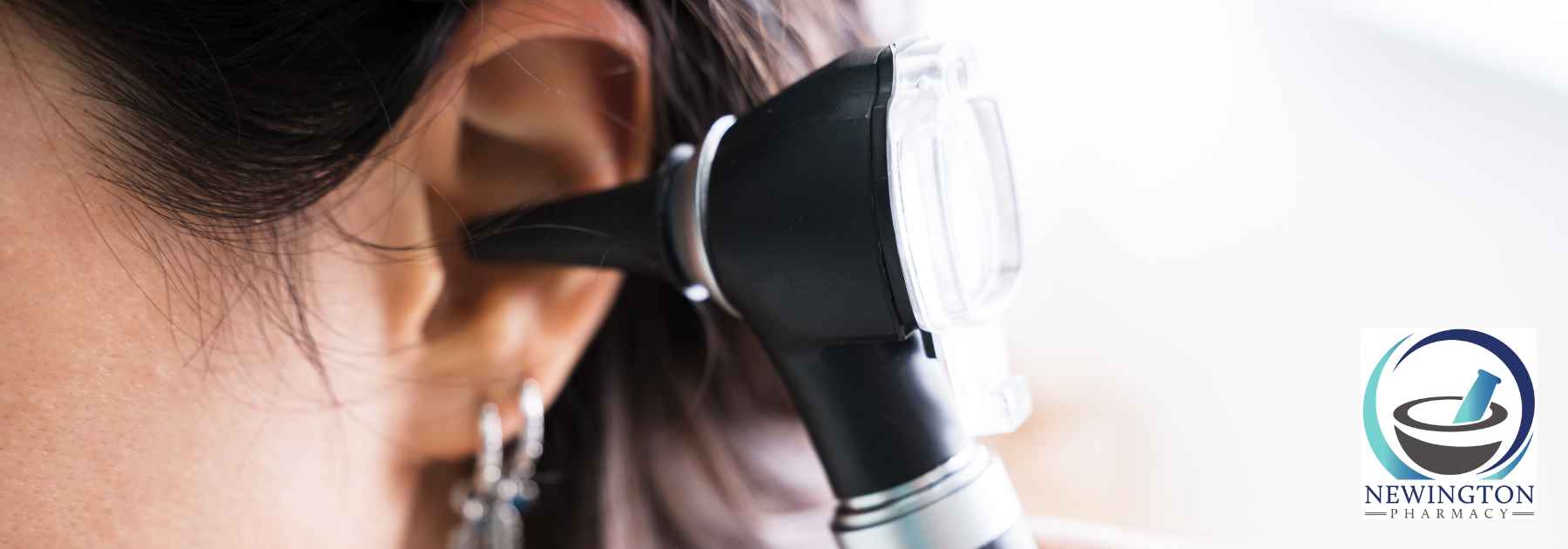
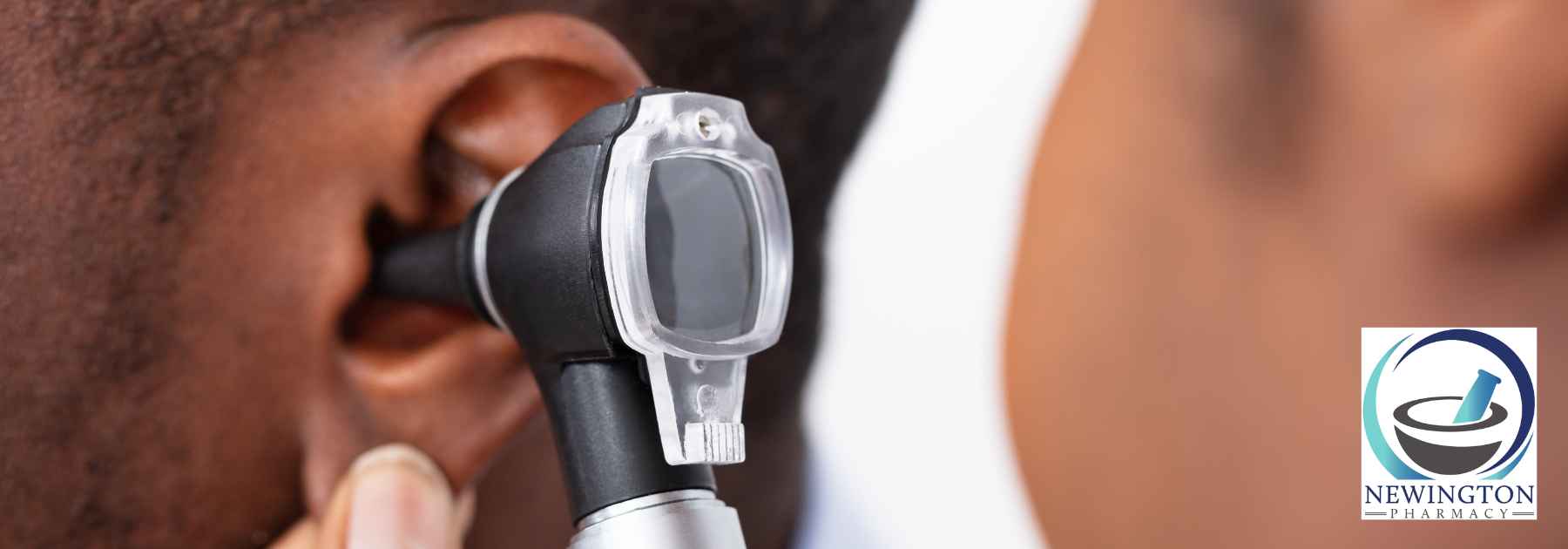
Your appointment will typically begin with an examination of your ear canal, allowing your clinician to confirm that wax is the cause of your symptoms. They will also check the general health of your ear canal and eardrum before proceeding.
During the procedure, a skilled healthcare professional from Newington Pharmacy will use a specialised suction device to gently remove wax from your ear canal. The process is comfortable, non-invasive, and takes just a few minutes. We use technology from Tympa Health to support precise, high-quality care.
This technology allows our clinicians to view the ear canal clearly on a screen throughout the procedure. Many patients find it reassuring to see exactly what is happening during their treatment.
Following the procedure, you may experience mild discomfort or light-headedness. This should settle within a few hours. If it persists or worsens, contact our team for advice.
There is generally no downtime after microsuction. Most people return to their usual activities straight away, including driving and working, without needing to take time to recover.
Who Should Consider Professional Ear Wax Removal?
Professional removal is particularly useful for people who have not found relief from softening drops alone. It is also recommended for anyone with recurring blockages, since repeated self-treatment is rarely a lasting solution.
Home remedies can be a reasonable first step for mild, recent blockages. If softening drops have been used consistently for several days without improvement, this is generally a sign that professional removal is likely to be more effective.
People who wear hearing aids are especially likely to benefit from regular professional checks. Wax can build up around the device, affecting its performance and sometimes being mistaken for a fault with the hearing aid itself.
Anyone with a history of ear infections or a perforated eardrum should be assessed individually before treatment. Microsuction is often suitable in these circumstances, but this should always be confirmed by a clinician first.
Older adults are another group who often benefit from professional removal. Ear wax tends to become drier and harder with age, making it more likely to build up and less likely to clear on its own.
Swimmers and people who spend a lot of time in water can also be more prone to blockages, since trapped moisture can cause wax to swell. Regular check-ups can help catch this before it becomes uncomfortable.
People who work in dusty or noisy environments requiring frequent use of earplugs may also notice more frequent build-up. Discussing your lifestyle with our team can help identify whether this applies to you.
Our team at Newington Pharmacy can assess whether professional removal is right for you. Call us to arrange a consultation.
Advice for Maintaining Excellent Ear Health
Preserving good ear health is important for overall wellbeing. Whether you have recently had an ear procedure or simply want to look after your ears, follow these tips.
Avoid Cotton Buds
Cotton buds can push ear wax further into the ear canal, leading to build-up and further problems. Instead, allow your ears to clean themselves naturally, or use ear drops to soften and remove wax safely.
This advice can feel counterintuitive, since cleaning the ear canal seems like a sensible habit. In reality, the ear canal is designed to clean itself, and interfering with this process is one of the most common causes of blockages we see.
Protect Your Ears From Loud Noises
Prolonged exposure to loud sounds can damage delicate ear structures, leading to hearing loss and other complications. Use earplugs or other protective equipment when needed, such as at concerts or noisy workplaces.
This advice is particularly relevant for anyone who regularly uses power tools, attends live music events, or works in a noisy environment. Protecting your hearing now can help prevent irreversible damage later in life.
Keep Your Ears Dry
Excess moisture in the ear can contribute to infections. After showering or swimming, dry your ears gently with a towel and tilt your head to help any remaining water drain out.
Swimmers in particular may benefit from using properly fitted earplugs. This can help reduce the amount of water entering the ear canal during regular swimming sessions.
Schedule Regular Check-Ups
Periodic check-ups can help identify and address ear issues early, before they become more significant. The team at Newington Pharmacy is ready to help you maintain excellent ear health over the long term.
This is particularly useful for people who know they are prone to recurring blockages. A regular schedule, agreed with your clinician, can help you stay ahead of symptoms rather than waiting until they become uncomfortable.
Ear Wax and Hearing Aids
If you wear a hearing aid, ear wax build-up can be particularly noticeable. Wax trapped around the device’s microphone or sound outlet can cause whistling, muffled sound, or a general drop in performance.
This is sometimes mistaken for a fault with the hearing aid itself, when the underlying cause is simply wax blocking the ear canal or the device. Checking for wax build-up is often a sensible first step before assuming a repair is needed.
Regular microsuction appointments, alongside routine cleaning of your hearing aid, can help maintain both your natural hearing and the performance of your device over time.
Many hearing aid users find it helpful to schedule microsuction appointments at consistent intervals, rather than waiting for symptoms to appear. This proactive approach can help prevent the frustration of a device that seems to be underperforming when wax is actually the cause.
When to Seek Further Help
Most blocked or uncomfortable ears are linked to simple wax build-up and are not a cause for concern. However, certain symptoms need prompt medical attention rather than routine wax removal.
These include severe pain, discharge, a high temperature, or swelling around the ear. Sudden hearing loss in particular should be treated as urgent. Seek same-day assessment through NHS 24 or your GP rather than waiting.
It is also worth seeking medical advice if your symptoms are not improving after a microsuction appointment. This can suggest that wax was not the only, or even the main, cause of your discomfort.
In these cases, your clinician may suggest further assessment, such as checking for sinus congestion or fluid behind the eardrum. Recognising that not every blocked ear is caused by wax helps ensure you get the right treatment promptly.
How Often Does Ear Wax Build Up Again?
For most people, ear wax clears naturally on an ongoing basis, and a new blockage can take anywhere from several weeks to a few months to develop. This varies considerably between individuals.
Some people rarely experience blockages at all, while others, particularly those who wear hearing aids or produce naturally drier wax, may find they recur more often. Noticing your own pattern can help you plan sensible check-ups with our team.
If you find your ears feel blocked at roughly the same time each year, such as after a holiday involving swimming, this pattern is worth mentioning to your clinician. It can help shape a more tailored prevention plan going forward.
Ear Wax Removal in Children
Children can experience ear wax build-up too, though it can sometimes be harder to recognise. Younger children may not describe the sensation clearly, so signs such as turning up the television or appearing inattentive can be worth noticing.
Microsuction can be suitable for children in some circumstances, depending on their age and how well they can remain still. Our team can advise on the most appropriate approach for younger patients during a consultation.
If a blocked feeling in a child persists for more than a few weeks, or is accompanied by pain or fever, a GP assessment is generally recommended. Waiting for it to resolve on its own is not advised in this case.
Preparing for Your Microsuction Appointment
A little preparation can help your appointment go as smoothly as possible. Starting softening drops at the recommended time, usually around five days beforehand, gives the wax time to loosen properly.
It can also help to bring a brief note of your symptoms and when they started. This gives your clinician useful context and can make your consultation more efficient.
If you have any relevant medical history, such as previous ear infections, surgery, or a perforated eardrum, mention this at the start of your appointment. This helps ensure the right approach is taken from the outset.
There is no need to arrange transport home or take time off afterwards, since the procedure does not require sedation or recovery time. Many patients fit their appointment around a lunch break or errand without any disruption to their day.
What Happens After Your Appointment
Most people leave their appointment with noticeably clearer hearing and little to no lingering discomfort. Your clinician will check your ear canal at the end of the procedure to confirm it is fully clear.
If any follow-up is recommended, this will usually be explained clearly before you leave. This might include advice on preventing future blockages or a suggested timeframe for your next check-up.
You are generally free to return to your normal routine straight away, including work, driving, and exercise, without any restrictions.
Some people notice their hearing continues to feel slightly different for a day or so, simply because they have become used to muffled sound over time. This usually settles quickly as your brain readjusts to clearer hearing.
Frequently Asked Questions
These are answers to some of the questions people raise most often about ear wax removal and microsuction.
Is microsuction painful?
Most people find microsuction comfortable, with only a quiet humming sound during the procedure. Any mild pressure usually resolves quickly once the wax has been removed.
Do I need to prepare before my appointment?
Yes, using softening ear drops for around five days beforehand can make removal easier and more comfortable. Our team will advise on the most suitable drops for your situation, including how often to apply them.
Is microsuction suitable if I have a perforated eardrum?
Microsuction may be suitable in some cases, since it does not use water, but this always requires individual assessment. Your clinician will confirm whether it is appropriate for you.
How long does a microsuction appointment take?
Most appointments take around fifteen to thirty minutes, including an initial examination. Many people notice an improvement in their hearing straight away.
Can children have microsuction?
Microsuction can be suitable for children in some cases, depending on their age and how well they can stay still. Our team can advise on whether it is appropriate during a consultation.
How often will I need ear wax removal?
This varies between individuals, with some people needing a check every few months and others far less often. Your clinician can advise on a suitable schedule based on your history.
Will microsuction improve my hearing?
If reduced hearing is caused by wax, most people notice an improvement as soon as the blockage is cleared. If hearing does not improve, this may suggest another cause worth investigating separately.
Can I use microsuction if I have a hearing aid?
Yes, microsuction is commonly used for hearing aid users and can help improve both natural hearing and device performance. Our team can also advise on cleaning your hearing aid at the same visit.
Let the Experts Take Care of Your Ears
We have supported many patients across Edinburgh with safe, effective ear wax removal, and we would love to help you too. Microsuction offers a comfortable, modern alternative to older removal methods, with minimal preparation and fast results.
Whether this is your first time experiencing a blocked ear or you are a long-standing patient managing recurring build-up, our team is here to help. We aim to make every visit straightforward, comfortable, and genuinely useful for your ongoing ear health.
Choosing a local, regulated pharmacy for ear wax removal means you get the benefit of professional expertise without the long wait sometimes associated with other routes. We believe everyone deserves quick, comfortable access to this kind of routine care.
Take a look at where we are below and then book your appointment online with us.
Book now